


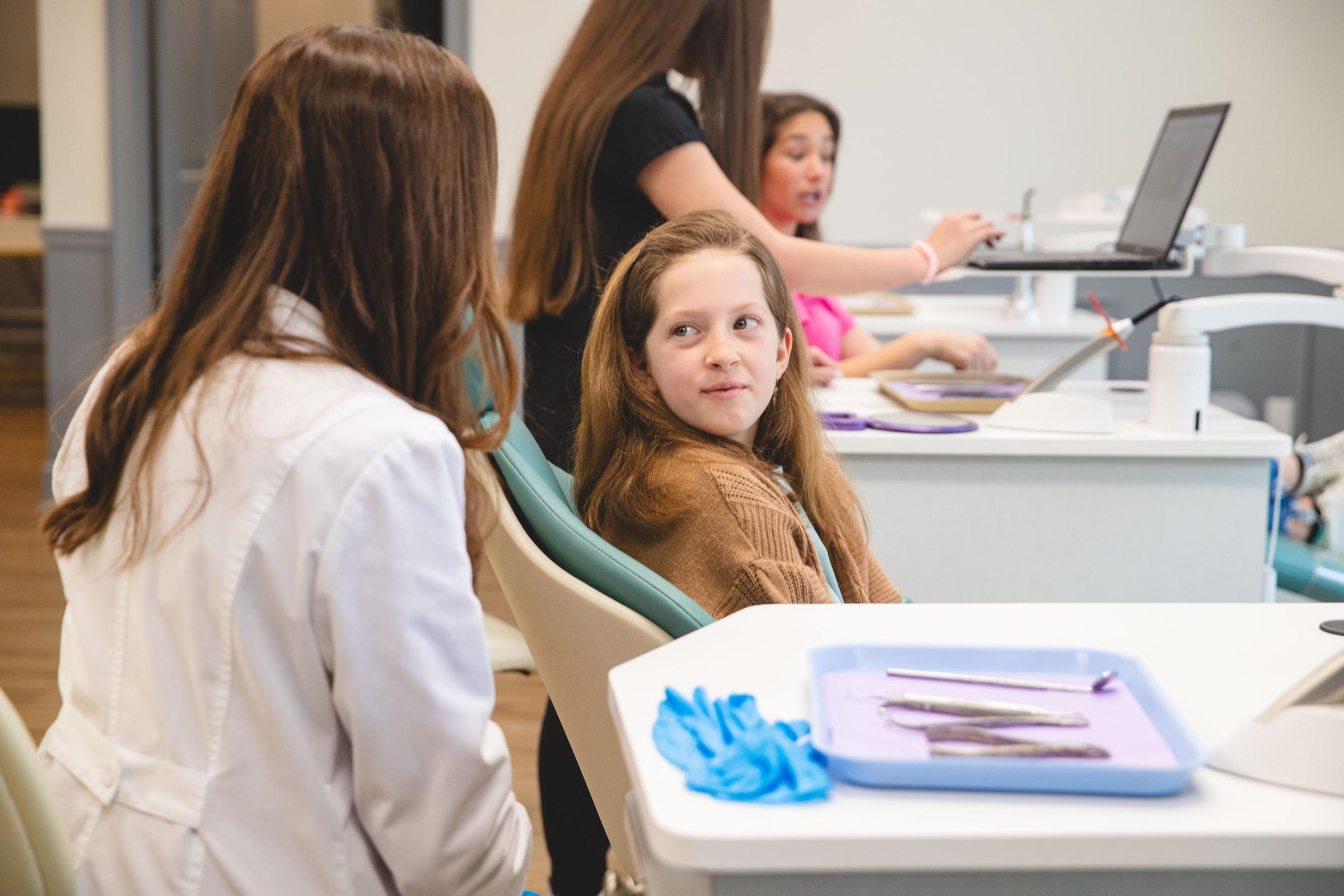
Wondering if your child needs braces earlier than you expected? You’re not alone. Many parents in our chairs at Camellia Orthodontics first hear about interceptive orthodontics and Phase 1 treatment during a routine dental visit and want to know what it really means for their child. Here’s a clear, honest look at interceptive treatment, how it works, and whether it might be the right next step.

What Is Interceptive Orthodontics?
What is interceptive orthodontics? Explaining Phase 1 orthodontic treatment starts with timing. Interceptive orthodontics, also called Phase 1 orthodontics, is early orthodontic treatment delivered during mixed dentition, when a child still has a combination of baby teeth and permanent teeth. It usually happens between ages 7 and 10. The goal is to guide jaw growth and the eruption of permanent teeth before small issues become bigger ones.
The American Association of Orthodontists recommends every child have a first orthodontic evaluation by age 7. That doesn’t mean treatment starts right away. It simply gives Dr. Diana Bozner a chance to spot bite or growth concerns while her young patients are still developing.
Phase 1 doesn’t replace braces or Invisalign clear aligners later. Think of it as groundwork. By addressing crowding, crossbites, or jaw development early, Phase 1 can reduce the complexity, and sometimes the length, of future treatment. Common appliances include palatal expanders, space maintainers, and partial braces on select teeth.
As an experienced orthodontist, Dr. Bozner evaluates whether early intervention will truly benefit your child, or whether a watchful waiting approach makes more sense.
How Phase 1 Treatment Works
Phase 1 treatment at Camellia Orthodontics follows a clear, step-by-step process built around your child’s growth. Here’s what to expect from your first free consult through the end of active treatment:
- Initial evaluation. Dr. Bozner performs a hands-on exam, captures digital scans, digital photos, and digital X-rays, and assesses your child’s bite, jaw growth, and tooth eruption pattern. No guesswork. Just clear imaging.
- Custom treatment plan. If early treatment is recommended, Dr. Bozner builds a plan targeting the specific issue, whether that’s a crossbite, severe crowding, a narrow upper arch, or jaw growth asymmetry. Each plan is tailored to the child in front of her.
- Active appliance phase. This usually lasts 6 to 12 months. Your child may wear a palatal expander, a space maintainer, or a limited set of partial braces. These appliances do the heavy lifting while your child is still growing.
- Resting and observation period. Once the active phase ends, we enter a monitoring stage. Your child’s remaining permanent teeth continue to erupt naturally, and we check progress at regular visits.
- Phase 2 (if needed). Around ages 11 to 13, once most permanent teeth are in, some children move into Phase 2 with full braces or Invisalign clear aligners. Not every child needs it.
- Ongoing growth monitoring. Throughout both phases, Dr. Bozner and our team track jaw development, eruption patterns, and bite alignment at every visit.
Camellia Orthodontics builds this process around your family’s schedule, with short check-ins and clear communication at each step. You’ll always know what’s coming next, why it matters, and how your child is progressing toward a healthier bite.
Benefits of Early Orthodontic Intervention
Beyond timing, Phase 1 treatment offers real advantages when started at the right stage. Because children’s bones are still growing, Dr. Bozner can guide development in ways that aren’t possible later in life. That’s the whole point of interceptive care.
Why Does Timing Matter So Much for Early Treatment?
Here’s what early orthodontic treatment can do when the window is right:
- Guides proper jaw growth. A palatal expander can widen a narrow upper arch while the bones are still soft and responsive.
- Creates space for permanent teeth. Expanding arches and managing baby tooth loss reduces crowding before it fully develops.
- Corrects crossbites, underbites, and protruding front teeth early. These issues often worsen with age and are easier to address during active growth.
- Lowers the chance of tooth extractions or orthognathic surgery later. Guiding growth now can prevent more involved treatment in the teen or adult years.
- Improves chewing, breathing, and speech development. Proper alignment supports healthy oral function as your child grows.
How Does Early Treatment Affect a Child Beyond the Smile?
The benefits of Phase 1 reach past the bite itself. Children often notice changes in confidence, comfort, and daily function long before active treatment ends.
- Boosts confidence. Children who feel good about their smile tend to show it more, and that matters at school and with friends.
- May shorten Phase 2. When the foundation is set early, follow-up treatment with braces or Invisalign clear aligners is often simpler and faster.
- Supports better oral hygiene. Straighter, better-spaced teeth are easier to brush and floss, which helps protect against cavities and gum issues.
Not every child will see every benefit. Results depend on the issue being treated, your child’s growth pattern, and how consistently they wear their appliances. Dr. Bozner will walk you through realistic expectations before anything begins, so your family has a clear picture from day one.

Phase 1 vs Phase 2 Orthodontics: Key Differences
Phase 1 and Phase 2 orthodontics serve very different purposes. Phase 1 focuses on guiding jaw growth and tooth eruption in children ages 7 to 10 who still have mixed dentition. Phase 2 focuses on final alignment and bite correction in older children and teens who have all their permanent teeth. Both can work together, but they’re not the same.
Here’s a side-by-side look:
| Feature | Phase 1 (Interceptive) | Phase 2 (Comprehensive) |
|---|---|---|
| Typical age range | 7–10 years | 11+ years |
| Dentition stage | Mixed (baby and permanent teeth) | All permanent teeth |
| Primary goal | Guide jaw growth, create space | Final tooth alignment and bite |
| Common appliances | Palatal expander, space maintainer, partial braces | Full modern metal braces, clear braces, or Invisalign clear aligners |
| Typical duration | 6–12 months | 18–24 months |
| Needed by every child? | No, only select cases | Many, but not all |
Here’s an important point many parents miss: not every child needs Phase 1. Some benefit more from waiting until all permanent teeth arrive and treating everything in one phase. Dr. Bozner will be straightforward with you about which path fits your child best. We’d rather recommend watchful waiting than overtreat.
Is Your Child a Candidate for Phase 1 Treatment?
Wondering if your child might benefit from early orthodontic care? Here are signs Dr. Bozner looks for during an evaluation:
- Crossbite, severe underbite, or significant overbite. Bite issues often respond best to treatment during active growth.
- Crowded or protruding front teeth. Permanent teeth coming in crooked or sticking out noticeably.
- Early or late loss of baby teeth. Both can signal eruption or spacing concerns worth addressing.
- Thumb-sucking, mouth breathing, or tongue thrusting habits. These can affect jaw and palate development over time.
- Difficulty chewing or biting, or speech concerns. Function matters as much as appearance.
- Jaw shifting or asymmetric growth. If you or your family dentist notice the jaw moving to one side when biting, that’s worth investigating.
If any of these sound familiar, an evaluation with Dr. Bozner is a good next step. Not every sign means treatment is needed right now. Sometimes the right answer is to monitor and revisit in six months. Either way, you’ll leave knowing exactly where your child stands and what, if anything, should happen next.

Frequently Asked Questions About Phase 1 Orthodontics
At what age should my child see an orthodontist?
The American Association of Orthodontists recommends a first orthodontic evaluation by age 7. By this age, enough permanent teeth have erupted for Dr. Bozner to spot developing bite or growth issues. Most children evaluated at age 7 won’t need treatment right away, but the visit sets a baseline.
Does Phase 1 eliminate the need for braces later?
Usually, no. Phase 1 is designed to guide growth and create a better foundation, not to replace full alignment treatment. Many children who complete Phase 1 still benefit from a shorter, simpler Phase 2 with modern metal braces, clear braces, or Invisalign clear aligners. In some cases, the second phase can be avoided or significantly reduced.
How long does Phase 1 treatment last?
Active Phase 1 treatment typically lasts 6 to 12 months, depending on the issue being addressed and the appliances used. After the active phase, your child enters a monitoring period where Dr. Bozner tracks tooth eruption and jaw growth until Phase 2 is considered, if needed.
Is Phase 1 treatment uncomfortable for my child?
Most children adjust to appliances like palatal expanders or space maintainers within a few days. There may be some soreness or pressure as the appliance begins its work, but it’s typically mild and short-lived. Dr. Bozner and our team walk every family through what to expect and how to help your child stay comfortable.
What happens between Phase 1 and Phase 2?
Your child enters a resting period while remaining permanent teeth continue to erupt. During this time, we schedule periodic check-in visits to monitor growth and eruption. Once all permanent teeth are in and your child’s jaw is ready, Dr. Bozner evaluates whether Phase 2 is needed.
If you’re curious whether your child might benefit from Phase 1 orthodontics, the simplest next step is to meet Dr. Bozner and our team in person at our Lafayette or Opelousas office. Early evaluations are low-pressure, informative, and often reassuring. Schedule a free consult today and let’s see where your child’s smile stands. Your smile awaits, and we’d love to help it bloom.